

Running Out of Room? A Step-by-Step Way to Audit, Choose and Maintain Extra Storage
Most people who say they need more storage do not actually lack space. They lack a system.
1. Why Storage Problems Keep Coming Back
Clutter returns for three common reasons. First, items have no assigned home, so they land wherever there is a flat surface. Second, the storage you own is hard to reach, so you stop using it.
Adding more boxes rarely helps if any of these causes remain. A better approach is to treat storage as a small project with three stages: audit, match, and maintain.
2. Start With an Audit, Not a Shopping List
Before buying anything, spend thirty minutes walking through each room. Write down what is out of place and why.
Sort your findings into four groups:
- Daily items: keys, coats, towels, cooking tools. These need to be within arm's reach.
- Weekly items: extra linens, hobby supplies, cleaning products. These can sit slightly out of the way.
- Seasonal items: winter bedding, holiday decor. These belong in the least accessible spots.
- Items to remove: duplicates, broken things, anything unused for a year.
Removing the last group often frees up more room than any purchase. Measure the empty wall sections, corners and floor gaps that remain.
3. Match the Storage Type to the Zone
Different areas of a home need different solutions. Think in zones rather than in individual products.
Entryway: Needs fast drop-off for coats, bags and keys. Hooks and a compact surface work best.
Kitchen and bathroom: Moisture, grease and frequent use call for materials that wipe clean and hold light to moderate loads.
Bedroom and living room: Here, storage should double as furniture, since these rooms already have limited floor area.
The I Need More Storage collection brings together space-saving options built for exactly this kind of zone-by-zone planning, from hidden storage to wall organizers. Use your audit notes to pick one item per problem zone rather than filling your cart with general-purpose containers.
4. Vertical Space: Walls, Doors and Pegboards
In most homes, the cheapest unused real estate is vertical. Walls and the backs of doors can hold a surprising amount without taking a single inch of floor.
Pegboards are especially useful because they are reconfigurable. You can start with a few hooks and baskets for kitchen tools, then change the layout as your needs shift. Wall pegboards and organizers work well in home offices, craft corners and kitchens where the same wall must serve many small items.
For smaller, lighter loads, removable hooks and hangers are a practical option in entryways and bathrooms. Hang towels, lightweight bags or a robe at the point of use, which makes it more likely items get put away. Always check the stated weight rating and group heavier belongings on sturdier solutions.
A few planning rules help here:
- Hang daily items between hip and shoulder height.
- Keep heavier loads low and lighter ones high.
- Leave a few inches between hooks so items do not overlap and fall.
5. Flexible Storage: Carts, Cubes and Ottomans
Not every space has usable walls. In rooms where you rent, share space or rearrange often, movable storage gives you the most freedom.
Rolling storage carts are ideal when the same items are needed in different places. A cart can serve as a kitchen prep station during dinner, then slide next to the sofa as a hobby caddy. Choose a width that fits between your furniture and check that the casters roll smoothly on your flooring.
Modular storage cubes suit people whose needs change. You can stack them as a bookcase, line them up as a bench, or split them between rooms. Start with a small set and add units later, so your first purchase never becomes a mismatch.
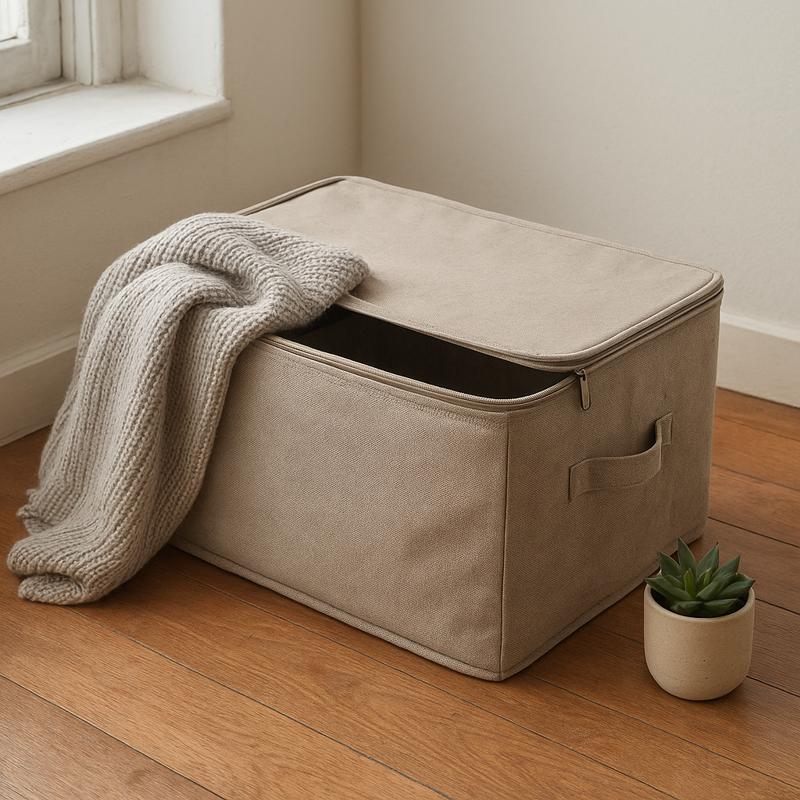
Foldable options add another layer of flexibility. Because they collapse flat, they are easy to store when you do not need them. This matters when you share a small space or move frequently.
6. Safe Use: Weight, Moisture and Adhesives
Extra storage only helps if it is used correctly. Most failures come from overloading or poor surface preparation, not from the product itself.
Respect weight limits. Every product has a stated capacity. Treat that number as a ceiling, not a target. Spread loads evenly across shelves and compartments, and keep the heaviest items at the bottom of cubes and carts.
Prepare surfaces. If you use any adhesive-backed item, clean the surface first and let it dry fully. Dust, oil and steam residue all reduce grip. Follow the manufacturer's cure time before loading anything, since adhesives often need time to bond.
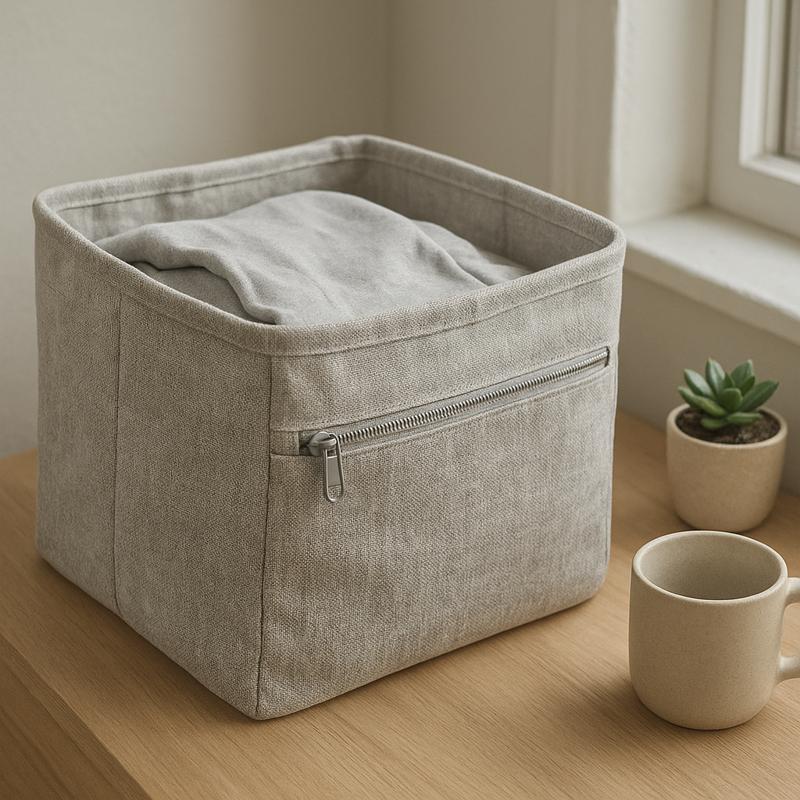
Mind moisture. Bathrooms and kitchens put stress on materials. Keep absorbent items such as cardboard and untreated fabric away from steamy areas, and wipe up spills quickly.
Watch the walkway. Rolling carts and freestanding units should never block exits, windows or heating vents. Leave comfortable clearance so the room still feels open.
7. Care Routines That Keep Storage Working
Storage is not a one-time installation. A short routine prevents the slow creep back to clutter.
Weekly: Return items to their assigned spots. A five-minute reset on Sunday evening is usually enough.
Monthly: Wipe down surfaces, check that hooks and adhesives are still holding firmly, and tighten any loose parts on carts or frames. Look for sagging in shelves or bending in rods, which signals overloading.
Seasonally: Rotate stored items. Move out-of-season goods to the hardest-to-reach areas and bring current ones forward. This is also a good moment to repeat the audit and let go of anything unused.
Cleaning guidance depends on material. Plastic and coated metal usually wipe clean with a damp cloth and mild soap. Fabric components may need gentle washing according to their care label.
One more habit pays off: label what you can. Simple labels on bins and cubes make it obvious where things belong, which keeps other household members on the same system.
8. Quick Summary and Next Steps
Solving a storage problem comes down to a repeatable process. Audit what you have, measure the gaps, and sort items by how often you use them.
If you would like to see what is available while you plan, you can browse the 80%House store for storage ideas that suit different rooms and room sizes. Start with the one zone that frustrates you most, solve it well, and let that success guide the next step. A calm, organized home is built one working system at a time.